Table of Contents
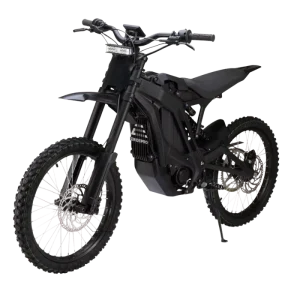
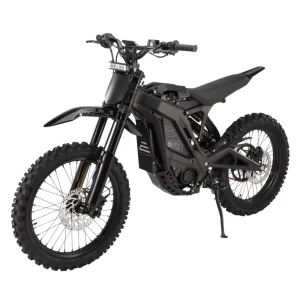
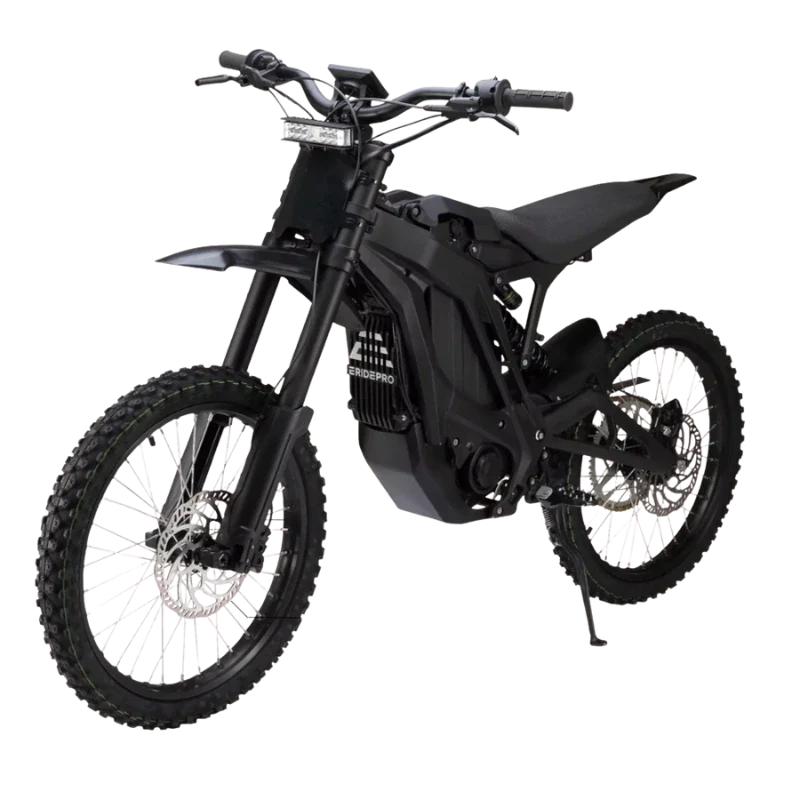
The E Ride Pro SS 2.0 put E Ride Pro on the map as one of the strongest-value 72V electric dirt bikes, and the SS 3.0 followed with a bigger battery and more power. If you are deciding between the E Ride Pro SS 2.0 and the SS 3.0, this guide compares them point by point and explains which version gives you the best value for your riding.
Quick answer: the E Ride Pro SS 2.0 has a 72V 40Ah battery, 12 kW peak power, a rated top speed of up to 60 mph and a weight of about 139 lb. The SS 3.0 steps up to a 72V 50Ah battery, about 15.8 kW peak, about 62 mph and upgraded suspension and brakes, at about 167 lb. Choose the 2.0 for lighter weight and value; choose the 3.0 for more range and power.
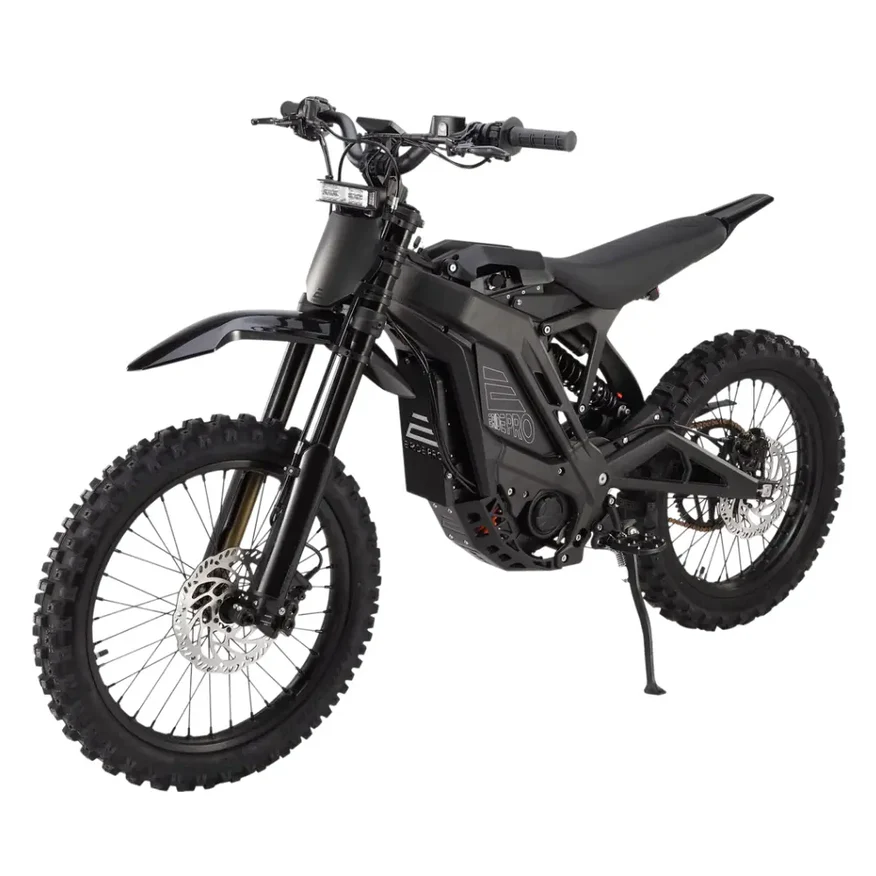
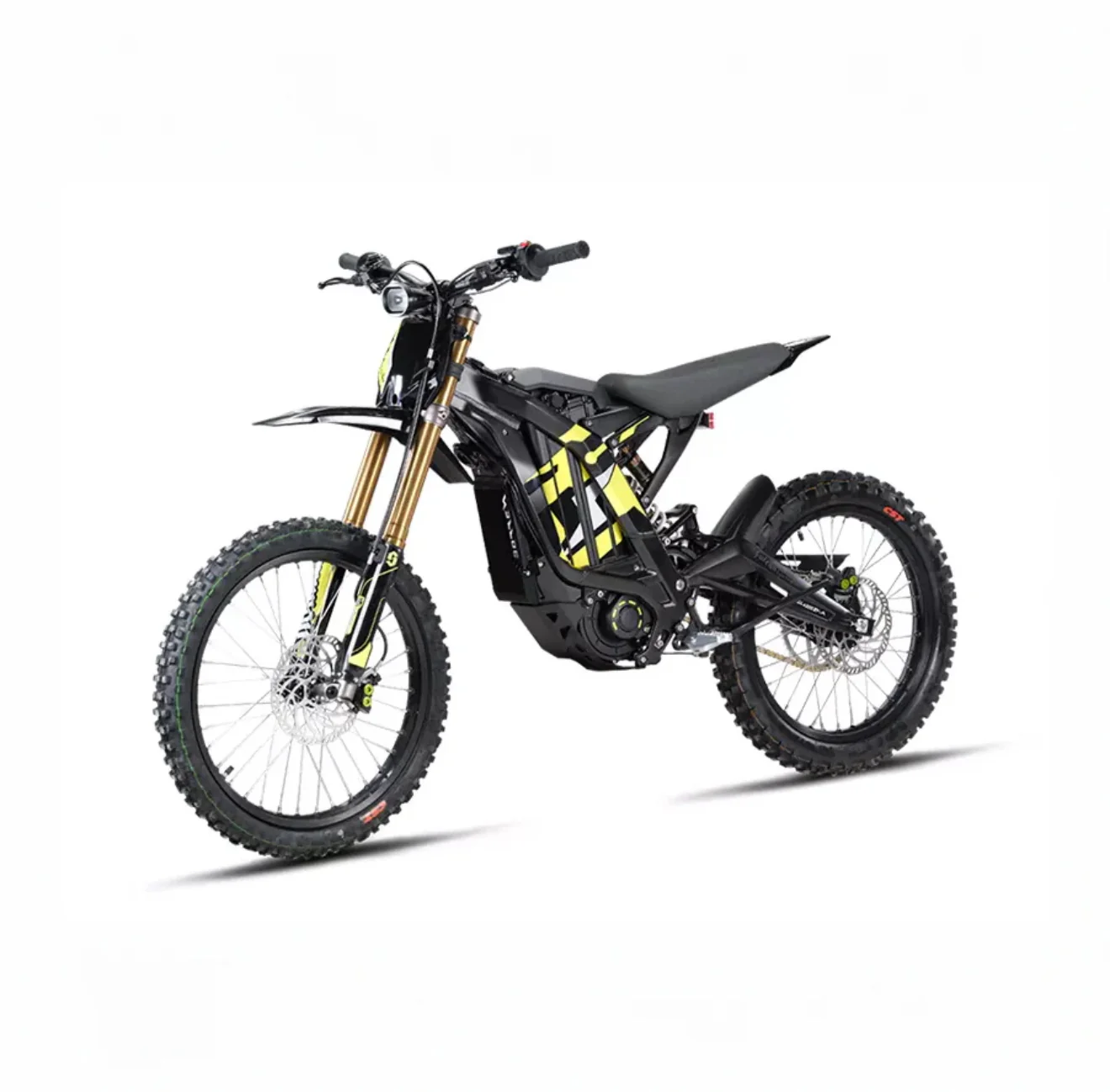
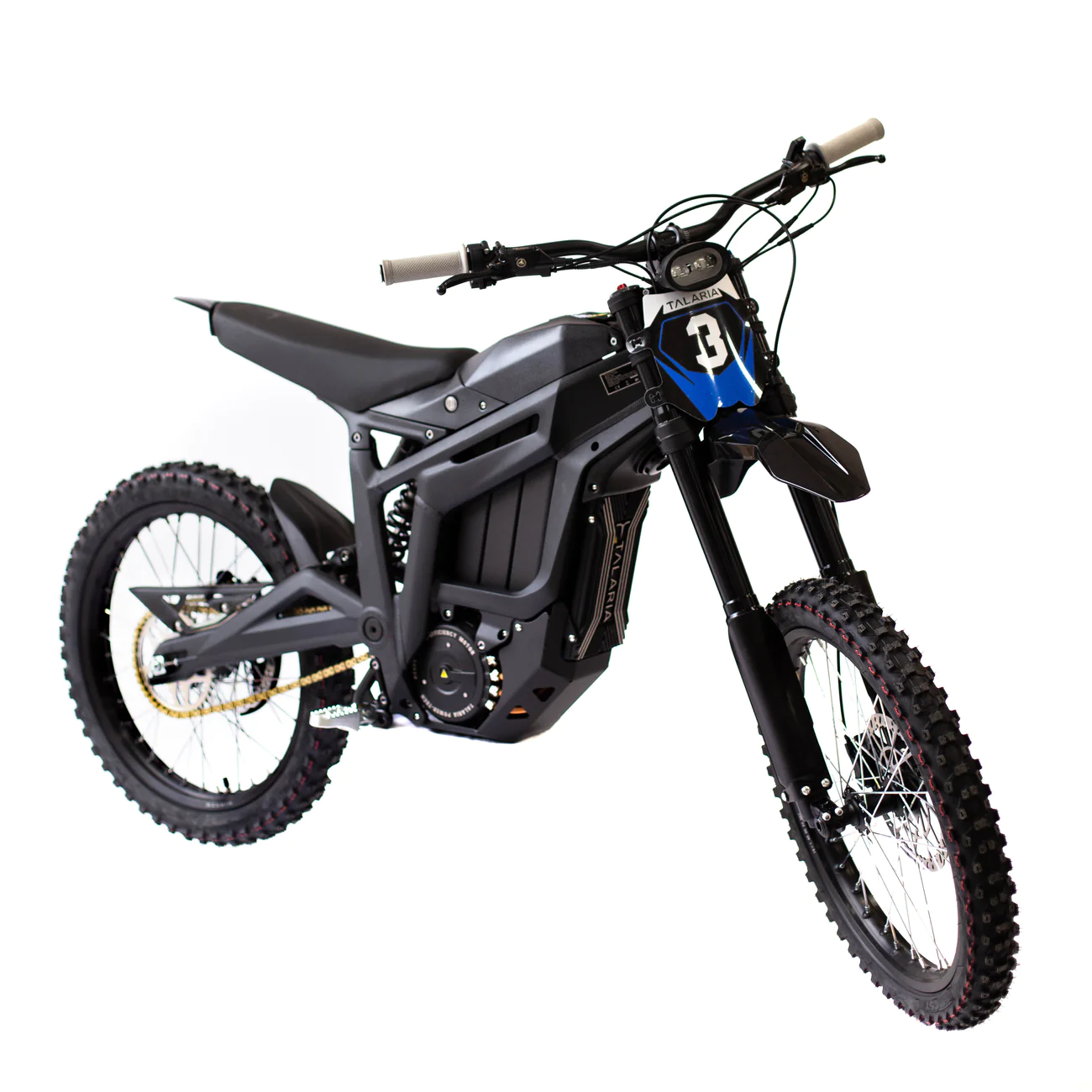
E Ride Pro SS 2.0 vs SS 3.0: specs compared
| Spec | E Ride Pro SS 2.0 | E Ride Pro SS 3.0 |
|---|---|---|
| Battery | 72V 40Ah (2,880 Wh), Samsung cells, swappable | 72V 50Ah (3,600 Wh), swappable |
| Motor power | 5 kW rated / 12 kW peak | 6 kW rated / about 15.8 kW peak |
| Top speed (manufacturer) | Up to about 60 mph | About 62 mph |
| 0 to 30 mph | About 2.36 s | About 2 s |
| Range (claimed) | 50+ mi at 25 mph; 90+ mi at 15 mph | 64+ mi at 25 mph; 100+ mi at 15 mph |
| Weight | About 139 lb | About 167 lb |
| Suspension and brakes | Capable trail setup | Upgraded suspension and brakes |
| Rider weight limit | About 300 lb | About 302 lb |
Figures come from E Ride Pro and dealer specifications. Like most e-motos sold in the U.S., these bikes are intended for off-road use and may ship with a speed restriction for compliance.
What is the E Ride Pro SS 2.0?
The E Ride Pro SS 2.0 is a lightweight 72V e-moto in the same size class as the Surron Light Bee X and Talaria Sting, but with considerably more power. Its 12 kW peak motor and 72V 40Ah Samsung battery give it a rated top speed of up to 60 mph and 0 to 30 mph in about 2.4 seconds. At about 139 lb, it remains light and agile. Reviewers praised the E Ride Pro SS 2.0 for packing big performance into a compact, affordable package. See current pricing on our E Ride Pro SS page.
What is the E Ride Pro SS 3.0?
The SS 3.0 is essentially the E Ride Pro SS 2.0’s bigger brother. It keeps the 72V platform but adds a larger 50Ah battery, a stronger motor rated at about 15.8 kW peak, and upgraded suspension and brakes. The result is more range, more punch and better control at speed, with a weight gain of roughly 28 lb.
Battery and range
The biggest difference is the battery. The SS 3.0’s 3,600 Wh pack holds about 25 percent more energy than the E Ride Pro SS 2.0’s 2,880 Wh pack, and E Ride Pro claims proportionally more range. In real trail riding, both go a long way for their class. If you regularly ride long loops, the 3.0’s extra capacity is valuable. If your rides are shorter, the E Ride Pro SS 2.0 has plenty, and you can carry a spare battery for big days.
Remember that claimed ranges are measured at steady, moderate speeds. Real trail riding with hills and hard acceleration uses more energy, so plan rides with a comfortable margin.
Power and acceleration
The SS 3.0 has about 30 percent more peak power. Both bikes accelerate hard, and both are much quicker than 60V bikes. The 3.0 pulls harder in the mid-range and up climbs, which heavier riders will appreciate. Lighter riders often find the E Ride Pro SS 2.0 already has more power than they can use on tight trails.
More power is only useful if you can control it. Start in the gentlest mode and work up as your confidence grows, especially on loose or wet ground.
Top speed
Rated top speeds are close: up to about 60 mph for the E Ride Pro SS 2.0 and about 62 mph for the 3.0. Reviewers have noted that the display can read a few mph higher than GPS, so treat dash speeds with some caution. On most trails, neither bike will be ridden near its top speed, and acceleration and handling matter more.
Use GPS-based apps or a dedicated GPS device if you want accurate speed readings, especially when comparing bikes or testing gearing changes.
Weight and handling
At about 139 lb, the E Ride Pro SS 2.0 is roughly 28 lb lighter than the 3.0. That makes it more nimble on tight trails, easier to pick up and easier to transport. The 3.0’s extra weight comes mostly from its larger battery and sturdier components, and it feels more planted at speed.
Weight also matters when transporting the bike. A lighter bike is easier to lift onto a hitch carrier or into a truck bed, which many riders appreciate after a long day.
Suspension and brakes
The SS 3.0 brings upgraded suspension and brakes to match its extra power. Riders who push hard on rough trails, jump regularly or weigh more than average will notice better support and more consistent stopping. The E Ride Pro SS 2.0’s suspension and hydraulic brakes are capable for most trail riders, and many owners upgrade pads and set sag carefully to get the most from them.
Charging
Both batteries are swappable, so you can carry a spare and keep riding. E Ride Pro quotes about 3.5 hours to charge the SS 3.0 from 20 to 90 percent with the standard charger. The E Ride Pro SS 2.0’s smaller battery charges a little faster. Let batteries cool after riding before charging, and store them indoors at about half charge during breaks.
A second charger kept in your vehicle means you can top up at a trailhead with power access or at a friend’s house between rides.
Price and value
The E Ride Pro SS 2.0 costs less, and that price gap is a big part of its appeal. The 3.0 costs more but adds battery, power, suspension and brakes. If you would otherwise upgrade those parts on a 2.0 yourself, the 3.0 is often better value. If you are a lighter rider happy with the 2.0’s performance, it delivers more fun per dollar. Check current pricing on our product pages.
Who should buy the E Ride Pro SS 2.0?
- Riders who want strong 72V performance at a lower price.
- Lighter riders who value a nimble, lighter bike.
- Riders on tight or technical trails.
- Riders upgrading from a 60V bike such as a Light Bee X or Talaria X3.
Who should buy the E Ride Pro SS 3.0?
- Riders who want more range for long loops.
- Heavier riders who will use the extra power and suspension.
- Aggressive riders who jump and ride fast, rough terrain.
- Riders who want the latest version with upgraded components.
E Ride Pro SS 2.0 vs Surron Light Bee X
Compared with the Surron Light Bee X, the E Ride Pro SS 2.0 offers a 72V system instead of 60V, more peak power (12 kW vs about 8 kW), a higher top speed (up to about 60 mph vs about 47 mph) and a larger battery. The Light Bee X is lighter, at about 125 lb versus 139 lb, and has the biggest aftermarket. Riders who want stock performance often choose the SS; riders who want low weight and endless parts often choose the Light Bee X.
E Ride Pro SS 2.0 vs Talaria Sting R MX4
The Talaria Sting R MX4 is a 60V bike with a 45Ah battery, about 8 kW peak and a top speed of about 53 mph, at about 145 lb. The E Ride Pro SS 2.0 is lighter and more powerful thanks to its 72V system. The MX4 is a proven platform with strong dealer support. Our Talaria Sting R MX4 top speed guide has more detail.
Riding impressions
Riders who move from a 60V bike to either SS version immediately notice the stronger pull. The 72V platform gives a punchy, eager feel that makes climbs easy and corner exits exciting. The 2.0 feels light and playful, encouraging you to pop off roots and flick through tight sections. The 3.0 feels more substantial and composed, especially on fast, rough ground and bigger jumps, where its upgraded suspension helps.
Both versions offer adjustable throttle and regenerative braking, so you can soften power for technical riding or sharpen it for open terrain. Taking time to tune these settings makes a big difference to how each bike feels.
Upgrading from a 2.0 or buying a 3.0?
Owners of the earlier version often ask whether to upgrade parts or sell and buy the newer model. Battery, suspension and brake upgrades can bring an older bike closer to the newer one, but the combined cost adds up quickly. If you want the full package of more range, more power and better suspension, buying the newer model is usually simpler and keeps everything under warranty. If you only want one improvement, such as better suspension, upgrading that part alone can make sense.
Buying used
Both versions are common on the used market. Check battery health by charging fully and testing range on a familiar loop. Inspect the frame, swingarm and wheels for crash damage, check fork seals for leaks, and ask whether the controller or battery has been modified. Confirm the frame number against the seller’s paperwork. Our electric dirt bike buying guide includes a full checklist, and our guide to spotting fake and stolen bikes applies to every brand.
Maintenance
Like other electric dirt bikes, both versions need little routine maintenance compared with gas bikes. Keep tire pressures correct, clean and lube the chain, check brake pads and spoke tension, and keep electrical connectors clean and dry. Store the battery at about half charge in a cool, dry place when the bike will sit for a while. Higher-power 72V bikes can wear chains and sprockets faster, so check them regularly.
Check chain tension after the first few rides on a new bike, as chains often stretch slightly at first. A correctly tensioned chain runs quieter and lasts longer.
Safety
A 72V e-moto with this much power demands respect. Wear a certified full-face helmet, goggles, boots, gloves and body armor every ride, and build up to full power gradually. Ride only where it is legal and safe. The Motorcycle Safety Foundation lists dirt bike training options for riders of every level.
Our verdict
Both versions are excellent. The earlier model remains a standout value: light, powerful and fun, ideal for lighter riders and tight trails. The newer model is the better all-round machine, with more range, more power and better suspension and brakes, and it is the one to choose if you ride hard, ride long or carry more weight. For the most performance in the E Ride Pro range, see the E Ride Pro SR and our E Ride Pro SR vs SS comparison.
Real-world scenarios
A 155 lb rider on tight woods trails
The lighter, earlier model is ideal. Its weight advantage helps in tight turns and technical sections, and its power is more than enough for this kind of riding.
A 215 lb rider on mixed trails and fire roads
The newer model’s extra battery, power and suspension make it the better fit. It carries the extra weight comfortably and keeps pulling hard on long climbs.
A rider upgrading from a Talaria X3
Either version will feel like a big step up. Lighter riders will love the earlier model; riders who want maximum range should choose the newer one.
A rider who wants the most power possible
Look beyond the SS to the SR, which offers about 25 kW peak and up to 70 mph in a slightly heavier package.
Accessories worth adding
- Full protective gear for every ride.
- A spare swappable battery for long days.
- Skid plate and frame guards.
- Tires matched to your terrain.
- Performance brake pads.
- A stand and basic tools for chain care.
Specs at a glance for quick comparison
| Question | Earlier version | Newer version |
|---|---|---|
| Lighter? | Yes, about 139 lb | About 167 lb |
| More range? | Good | Better (larger battery) |
| More power? | 12 kW peak | About 15.8 kW peak |
| Better suspension? | Capable | Upgraded |
| Lower price? | Yes | Higher |
Still deciding? Visit our Middletown, NY showroom to compare E Ride Pro models in person, or contact our team for advice on the right setup for your weight and riding.
Tuning tips for either version
Spend your first few rides in the gentlest ride mode and learn how the bike responds. Then adjust one setting at a time: throttle response, regenerative braking level and suspension sag. Write down what you change and how it feels. Small changes can make a large difference, especially to how the bike behaves on loose climbs and fast descents.
Set tire pressure for your weight and terrain before every ride. Lower pressures add grip on loose ground but increase the risk of pinch flats on rocks. A good starting point is the manufacturer’s recommendation, adjusted a little at a time until the bike feels planted and predictable.
Storage and security
Store the bike in a dry, secure space and keep the battery indoors at about half charge if it will sit for several weeks. Light e-motos are a common theft target, so a disc lock, ground anchor and hidden GPS tracker are worth considering. Record your frame number and keep your receipts.
E Ride Pro SS 2.0 FAQ
What is the difference between the E Ride Pro SS 2.0 and 3.0?
The 3.0 has a larger 72V 50Ah battery, more peak power (about 15.8 kW vs 12 kW), upgraded suspension and brakes, and weighs about 28 lb more.
How fast is the E Ride Pro SS 2.0?
Up to about 60 mph according to the manufacturer.
How much does the E Ride Pro SS 2.0 weigh?
About 139 lb.
Is the E Ride Pro SS 2.0 still worth buying?
Yes. It remains one of the best-value 72V lightweight e-motos, especially for lighter riders.
Can I upgrade a 2.0 to 3.0 performance?
Some parts can be upgraded, but matching the 3.0 fully usually costs more than buying a 3.0.
Ride an E Ride Pro
See the E Ride Pro SS and E Ride Pro SR with live pricing in our E Ride Pro collection, order online with secure checkout, or visit our Middletown, NY showroom.