
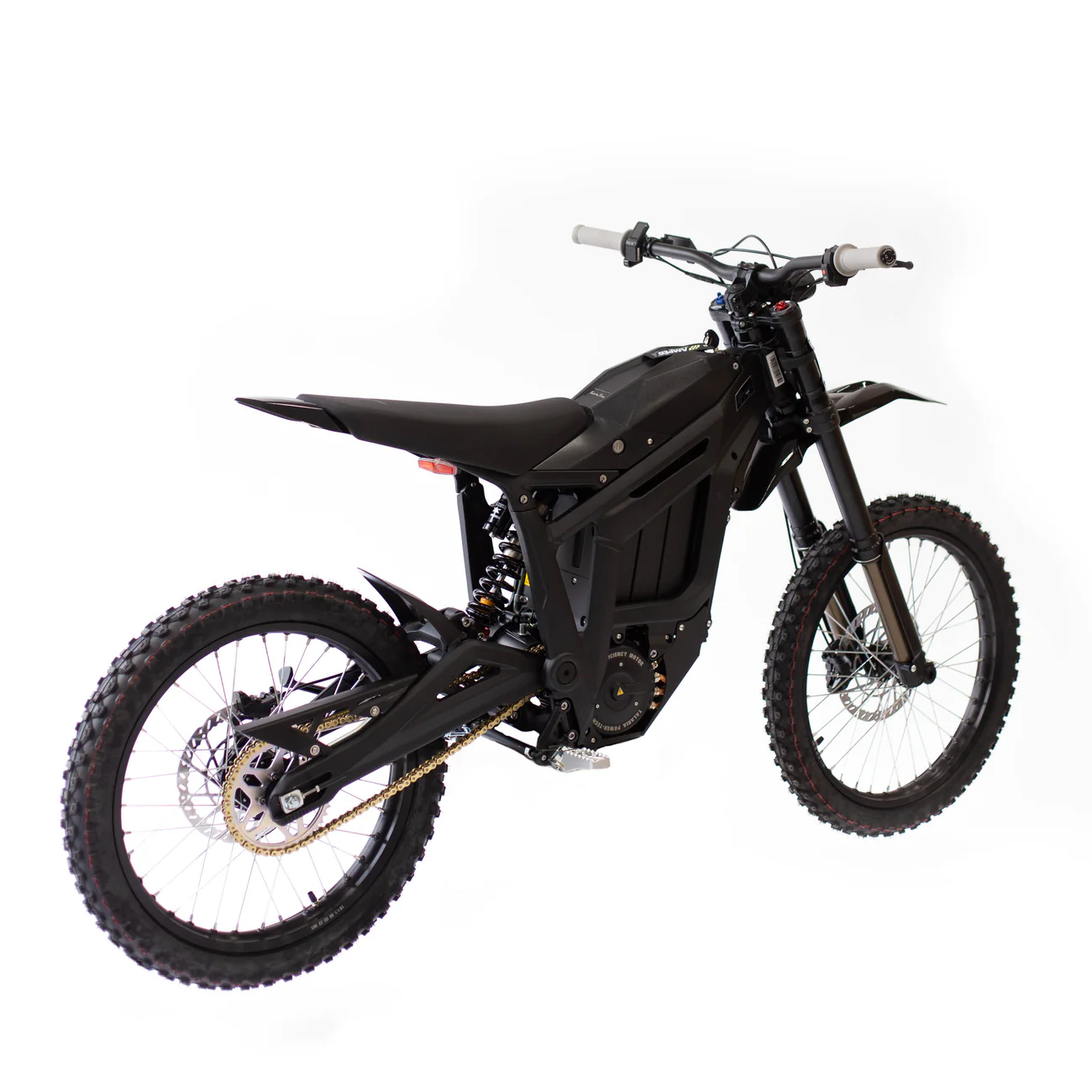
An electric trail bike is built for the kind of riding most of us actually do: winding singletrack, rocky climbs, muddy creek crossings and long fire roads. This guide explains what makes a great trail bike, which features matter most, our top picks for different riders and terrain, and how to set up any electric off road bike so it feels right on your local trails.
We help riders choose trail bikes at our Middletown, NY showroom, close to some of the best riding in the Hudson Valley and the tri-state area. Prices below update automatically from our store.
What makes a good electric trail bike?
In short: the best electric trail bike is light, smooth and predictable, with enough range for a full ride, suspension that soaks up roots and rocks, strong brakes, good ground clearance and power modes that let you ride gently on technical sections. Outright top speed matters far less than control.
A trail bike is not the same as a motocross bike. Motocross bikes are built for jumps, berms and short, flat-out laps. Electric trail bikes are tuned for comfort, traction and endurance over hours of varied terrain. They are also different from electric mountain bikes, which are pedal bicycles with small motors. A proper electric off road bike has motorcycle-style suspension, brakes and power, with no pedaling required.
Features that matter most
- Weight: lighter bikes are easier to steer between trees, lift over logs and pick up after a tip-over.
- Smooth power and ride modes: a soft mode for technical climbs and wet roots is more useful than a big top speed.
- Battery size and range: enough capacity to finish your loop with charge to spare.
- Suspension: adjustable, with enough travel for rocks, roots and drops.
- Ground clearance: to clear logs and rocks without hitting the underside.
- Brakes: hydraulic discs, ideally with regenerative braking for long descents.
- Tires: proper off-road tires in common sizes so you can choose tread for your terrain.
- Swappable battery: lets you carry a spare or charge indoors.
Top electric trail bike picks
| Bike | Best for | Key strengths | Price (our store) |
|---|---|---|---|
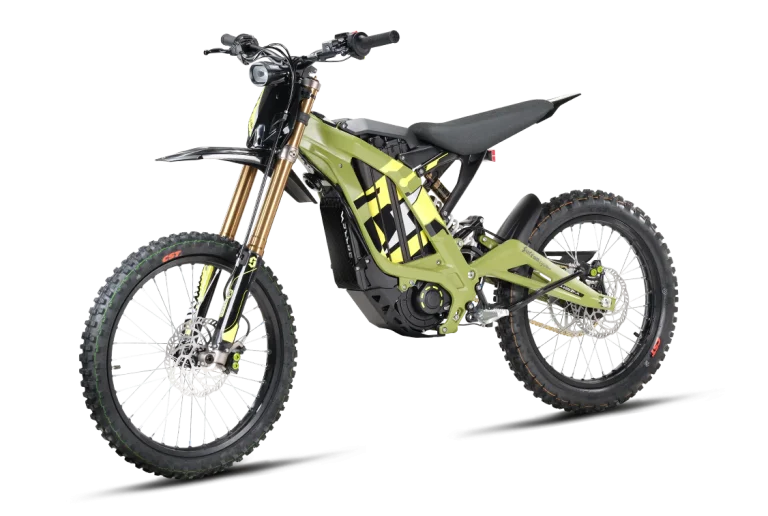
| Surron Light Bee X | Tight woods, lighter riders | About 99 lb, 8 kW, huge aftermarket | $3,899 |
| Talaria X3 | Beginners, teens | About 110 lb, DNM suspension | $3,199 |
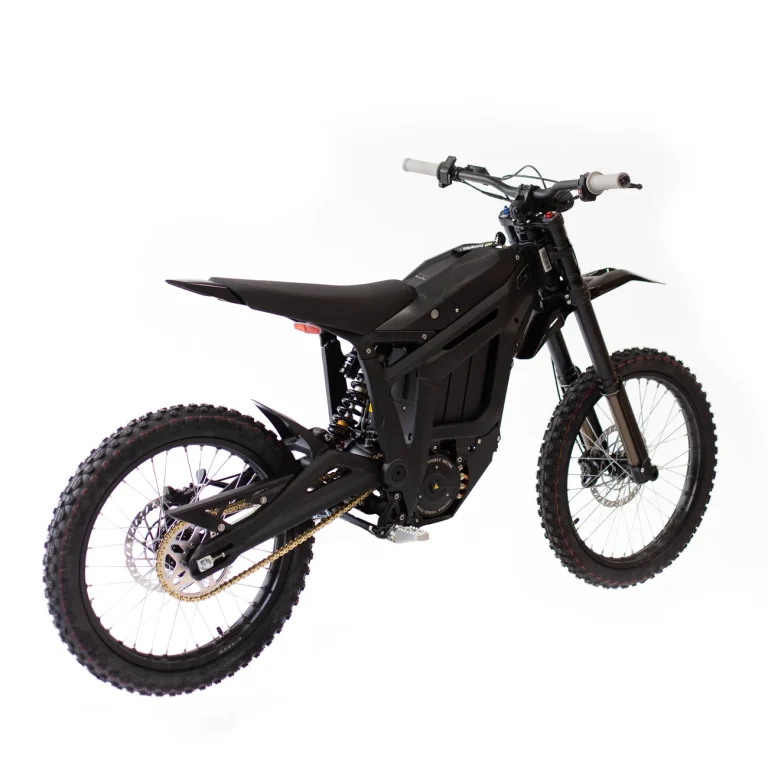
| Talaria Sting MX4 | Long loops | Up to 75 mi range, gearbox drive, light kit | $3,899 |
| E Ride Pro SS 2.0 | More power, bigger riders | 12 kW, 72V, 265 lb rider limit | $3,899 |
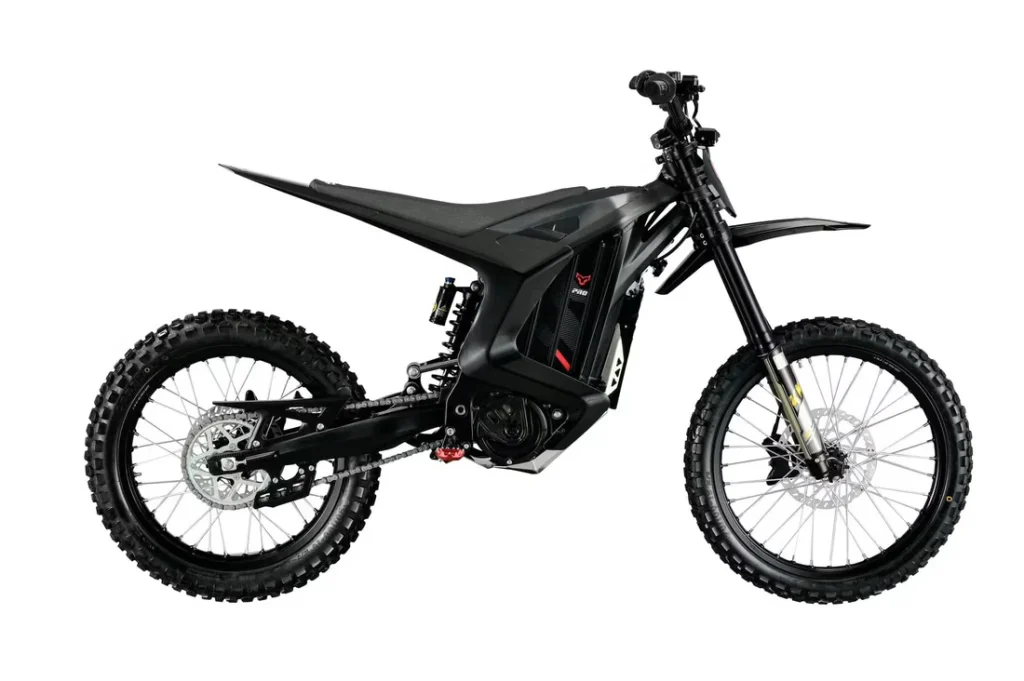
| Arctic Leopard XE Pro | Agile mid-size | 16.8 kW, about 148 lb, chain drive | $4,750 |
| Surron Ultra Bee | Open trails, taller riders | 21 kW, 74V 60Ah swappable battery | $5,699 |
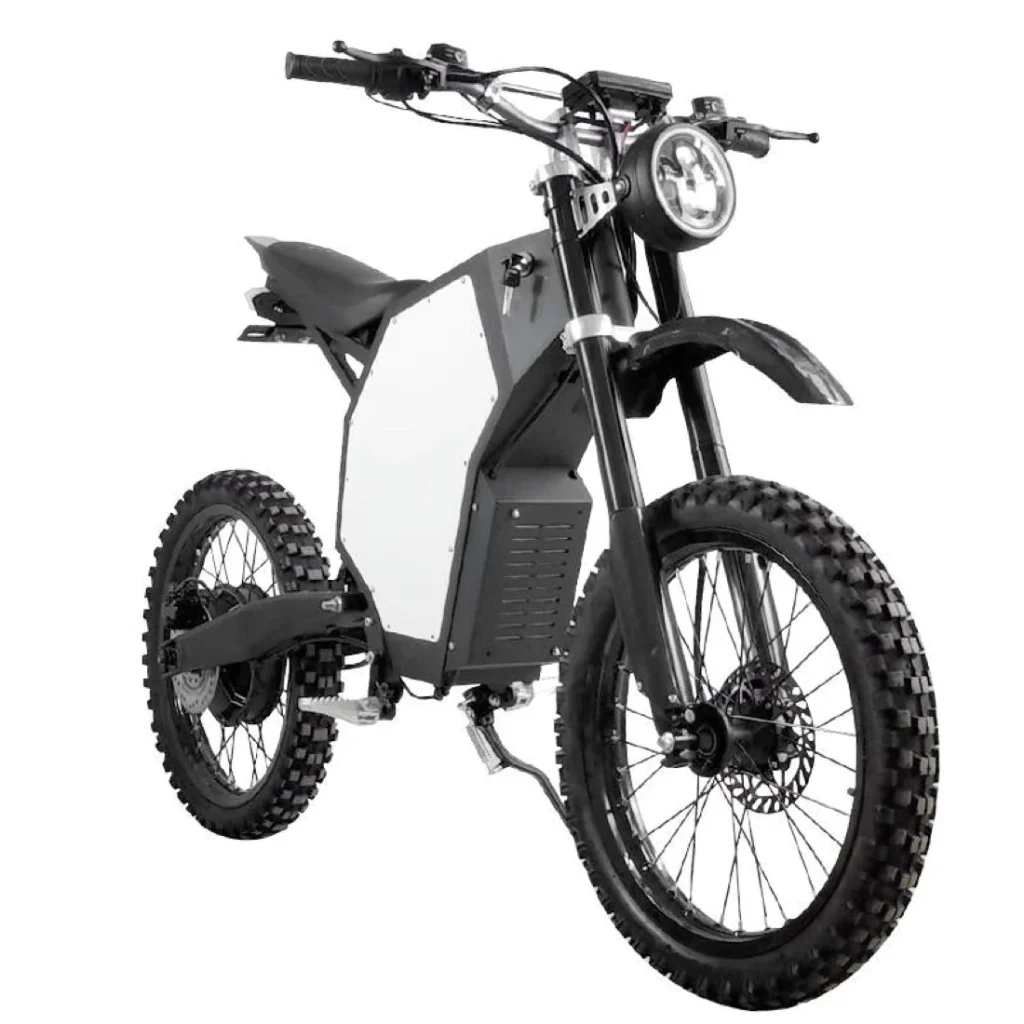
| Stealth Enduro | Rugged riding | 72V, up to 70 mph on the 8,000W version | From $4,499 |
Best for tight woods: Surron Light Bee X
At about 99 lb with an 8,000W peak motor, the Light Bee X is the benchmark lightweight electric trail bike. It is easy to place exactly where you want on narrow singletrack, and Eco mode makes slow technical sections calm and controlled.
Best for long loops: Talaria Sting MX4
The Sting MX4 pairs an 8,000W motor with a 60V 45Ah LG-cell battery rated for up to 75 miles in ideal conditions. Its sealed gearbox drive means no belt to maintain, and it comes with a light kit with LED headlight, brake light and blinkers.
Best for bigger riders: E Ride Pro SS 2.0
With 12 kW, a 72V 40Ah battery and a 265 lb rider limit, the SS 2.0 suits heavier riders who want strong climbing power without a heavy bike. Our ERide Pro SS review covers it in depth.
Best mid-size trail bike: Arctic Leopard XE Pro
The XE Pro offers 16.8 kW and a 72V 55Ah battery in a bike of about 148 lb. Its direct chain drive has no belt or jackshaft, and it feels agile for its power.
Best for open trails: Surron Ultra Bee
For faster, more open trail systems, the Ultra Bee’s 21 kW, bigger wheels and longer suspension keep things stable. Owners can find setup tips in our 2025 Ultra Bee owner’s guide.
Electric trail bike vs electric motocross bike
| Electric trail bike | Electric motocross bike | |
|---|---|---|
| Main use | Singletrack, woods, fire roads | Tracks, jumps, berms |
| Power delivery | Smooth, with soft modes | Aggressive, maximum acceleration |
| Suspension | Plush, tuned for roots and rocks | Firm, tuned for big landings |
| Range priority | High, for long loops | Lower, short motos |
| Typical examples | Light Bee X, Sting MX4, XE Pro | Storm Bee, Stark VARG MX |
Many riders do both, and mid-size bikes like the Ultra Bee handle trails and small tracks well. If most of your riding is in the woods, though, choose a bike built as an electric trail bike first.
Electric trail bikes vs electric mountain bikes
Electric mountain bikes are bicycles. You pedal, the motor helps, and they weigh about 45 to 60 lb. They are welcome on many bike trails where motorized vehicles are not. Electric trail bikes are motorcycles without engines: no pedaling, 5 to 25 kW of power and real motorcycle suspension. They are faster and more capable on rough ground, but they belong on motorized trails, private land and off-highway vehicle areas. Our guide to e-bikes vs dirt bikes explains the legal differences.
Choosing by rider size
A trail bike that fits you is far easier to ride well. Lighter and shorter riders usually prefer lightweight bikes with seats around 31 to 33 inches, such as the Talaria X3 or Light Bee X. Taller and heavier riders often feel more at home on a mid-size electric off road bike such as the Arctic Leopard XE Pro or Ultra Bee. Our adult size chart matches heights and seat heights.
Adventure and long-distance trail riding
For long, rugged days, a bigger battery and a sturdy chassis matter most. The Stealth Enduro uses a 72V 50Ah battery and a 6,000W or 8,000W motor with KKE suspension, while the AdmitJet Armor adds a 4-speed gearbox, reverse and up to 81 miles of range with its largest battery. Both are heavier than lightweight electric trail bikes, but they cover a lot of ground. Read our AdmitJet Armor review for more.
Riding different terrain
Roots and rocks
Drop tire pressure a little, stand on the pegs and use a soft power mode. Keep your eyes up and let the suspension work. Smooth, steady throttle finds more grip than bursts of power.
Steep climbs
Instant torque makes electric bikes great climbers. Keep your weight forward to stop the front lifting, pick your line before the climb and keep a steady throttle all the way up.
Mud and wet trails
Use the softest mode and an aggressive tire. Avoid wheel spin, which tears up the trail and digs you in. Clean the chain and brakes after the ride.
Sand
Lower tire pressure, keep the front light with your weight back and maintain momentum. Sand uses more battery, so plan range accordingly.
Fire roads
Fast, open roads are where bigger bikes shine. Watch for loose gravel in corners and other trail users around blind bends. If outright pace is your priority, our fast electric dirt bike guide ranks the quickest models.
Planning range on the trail
Manufacturer range figures are measured at steady speeds. Real trail riding, with climbs, mud and hard acceleration, often gives about half that. Ride a known loop first and note how much battery it uses. Then plan bigger rides with at least 20% to spare, and carry a spare battery for long days if your bike has a swappable pack.
Setting up any electric off road bike for trails
- Tire pressure: around 14 to 18 psi for most trail riding.
- Suspension sag: about a third of rear travel with you on board.
- Power mode: start in the softest mode and go up as needed.
- Regen: moderate regen helps on long descents and saves brake pads.
- Protection: hand guards and a skid plate are the first upgrades for any trail bike.
- Gearing: a slightly larger rear sprocket adds low-speed punch for tight trails.
What to carry on the trail
- A small tool roll with the hex keys and wrenches your bike uses.
- A tire repair kit or spare tube and a compact pump or CO2 inflator.
- Zip ties and a little duct tape for quick fixes.
- Water, snacks and a basic first-aid kit.
- A fully charged phone, plus an offline map of the trail system.
- A spare battery on long rides if your bike has a swappable pack.
Riding with others
Riding in a group is safer and more fun. Agree on a pace, regroup at junctions and keep the slowest rider in sight. Electric trail bikes are quiet, so other riders and hikers may not hear you coming; slow down at blind corners and announce yourself when passing. If you ride with gas bikes, remember that your range may be shorter than their fuel range on long days.
Low-light and early morning rides
Some bikes come with lights, such as the Sting MX4’s LED headlight, brake light and blinkers. Others need an aftermarket light bar for dawn and dusk rides. Always carry a backup light if there is a chance you will finish late, and never rely on your phone’s flashlight on the trail.
Caring for your bike after trail rides
Trail riding is hard on chains, brakes and bearings. After muddy or wet rides, rinse the bike gently with low-pressure water, dry it, lube the chain and check the brakes. Never point a pressure washer at the motor, controller, display or battery connectors. Every few rides, check spokes, bolts, brake pads and chain tension. A little care keeps any electric off road bike running smoothly for years.
Common trail riding mistakes
- Riding in the highest power mode on technical trails.
- Running tire pressure too high, which cuts grip on roots and rocks.
- Planning a loop longer than the battery can manage.
- Skipping hand guards and a skid plate in rocky woods.
- Riding wet, fragile trails and leaving ruts behind.
Why riders are switching to electric trail bikes
Many riders who grew up on gas bikes now choose electric trail bikes for everyday riding. The reasons come up again and again in our showroom: no fuel to buy or mix, no oil changes, no stalling on tricky climbs, instant torque for technical terrain and far less noise. Quiet bikes also make it easier to ride near home, on private land and in places where noise complaints have closed trails before.
Electric bikes also suit busy lives. There is no warm-up and no carburetor to clean, so a quick hour of riding after work becomes realistic. Charge overnight, and the bike is ready again in the morning.
Trail riding through the seasons
Lithium batteries give less power and range below about 40°F, so expect shorter rides in winter and keep the battery indoors until you leave. Fall leaves hide roots and rocks, so lower your speed and tire pressure. In spring, many trail systems close or ask riders to avoid wet trails to prevent damage, so check conditions before you go. Summer brings dust and heat; carry extra water and let the battery cool before charging after a hot ride.
Upgrades that make a real difference
- Tires matched to your terrain. The single biggest improvement for grip and confidence.
- Hand guards. Protect your hands and levers from branches and falls.
- A skid plate. Shields the underside from rocks and logs.
- Suspension springs for your weight. Transforms comfort and control.
- A spare battery. Doubles your riding time on bikes with swappable packs.
You will find chargers, batteries and spares in our parts and accessories range.
How to test an electric trail bike before you buy
If you can, sit on two or three bikes in your riding boots. Stand on the pegs, check the bar height and see how easily you can touch down. Lift the bike off its stand to feel the weight. Ask how the power modes differ and how easy the battery is to remove. Then think about your local trails: if they are tight and technical, favor the lighter bike, even if the bigger one feels exciting in the showroom.
Can’t visit in person? Email us your height, weight, experience and the kind of trails you ride, and we will suggest the right electric trail bike for you. Our guide to buying an electric dirt bike covers the rest of the process.
Our quick recommendations
- New riders and lighter adults: Talaria X3 or Surron Light Bee X.
- Long loops and all-day rides: Talaria Sting MX4.
- Bigger riders who want power: E Ride Pro SS 2.0.
- Agile mid-size performance: Arctic Leopard XE Pro.
- Fast, open trails: Surron Ultra Bee.
- Rugged adventure riding: Stealth Enduro or AdmitJet Armor.
Safety gear for the trail
Trail crashes usually happen at low speed, but rocks, roots and trees are unforgiving. Wear a DOT or ECE certified helmet, goggles, gloves, over-the-ankle boots, knee guards and a chest protector on every ride. Bright colors help other trail users see you, which matters on a quiet bike. Good gear usually costs $400 to $800 for a full set, and it lasts for years.
Trail etiquette and access
Quiet bikes help keep trails open, but only if riders behave. Stay on marked trails, slow down for hikers, horses and other riders, and yield where required. Avoid riding wet, fragile trails that you will damage. Tread Lightly! has excellent guidance on responsible off-road riding.
Always check whether electric dirt bikes are allowed on a trail system before you ride. Most are off-road motorcycles in the eyes of the law, so they belong on motorized trails, private land and off-highway vehicle areas, not on bicycle-only paths.
Electric trail bike FAQ
What is the best electric trail bike for beginners?
A lightweight bike such as the Surron Light Bee X or Talaria X3. Light weight and gentle power modes make learning much easier.
How far can an electric trail bike go?
Most cover about 20 to 40 miles of real trail riding on a charge, depending on the bike, battery, terrain and riding style.
Which electric off road bike has the longest range?
Among the trail bikes we stock, the Talaria Sting MX4 is rated for up to 75 miles in ideal conditions, and the AdmitJet Armor up to 81 miles with its 70Ah battery. Real trail range is lower and depends on how you ride.
Do I need a license to ride one?
Not for riding on private land or in most off-highway vehicle areas, though some states require off-road registration. Riding on public roads needs a street-legal bike, registration and a motorcycle license.
Is an electric off road bike quiet?
Yes. You hear the chain, tires and a light motor whine, but nothing like a gas engine.
Can I ride an electric trail bike on mountain bike trails?
Usually not. Most trail systems treat electric dirt bikes as motorized vehicles. Check local rules and ride on motorized trails, private land or OHV areas.
Find your trail bike
Compare every model in our electric dirt bike shop, order online with secure checkout and U.S. and worldwide shipping, or visit our Middletown, NY showroom.
 2025 Surron Light Bee X Original price was: $4,699.00.$3,899.00Current price is: $3,899.00. View details
  Talaria Sting MX4 Original price was: $4,500.00.$3,899.00Current price is: $3,899.00. View details
  Arctic Leopard XE Pro Original price was: $5,450.00.$4,750.00Current price is: $4,750.00. View details