
Table of Contents
Is an electric dirt bike street legal? In most cases, not as sold. Most electric dirt bikes in the U.S. are built and sold for off-road use only. Some can be made road legal in certain states, and a few models are offered in road-legal versions in other markets. This guide explains how U.S. rules treat electric dirt bikes, what it takes to make an electric dirt bike street legal, whether you need a license, and how to ride legally.
Quick answer: most electric dirt bikes are sold in the U.S. as off-road vehicles and are not street legal out of the box. Because they lack working pedals or exceed e-bike power and speed limits, they are treated as motor vehicles on public roads. In some states, you can convert, title and register one; you will then need insurance and a motorcycle license. Rules vary widely by state, so always check with your DMV.
Is an electric dirt bike street legal? The short answer
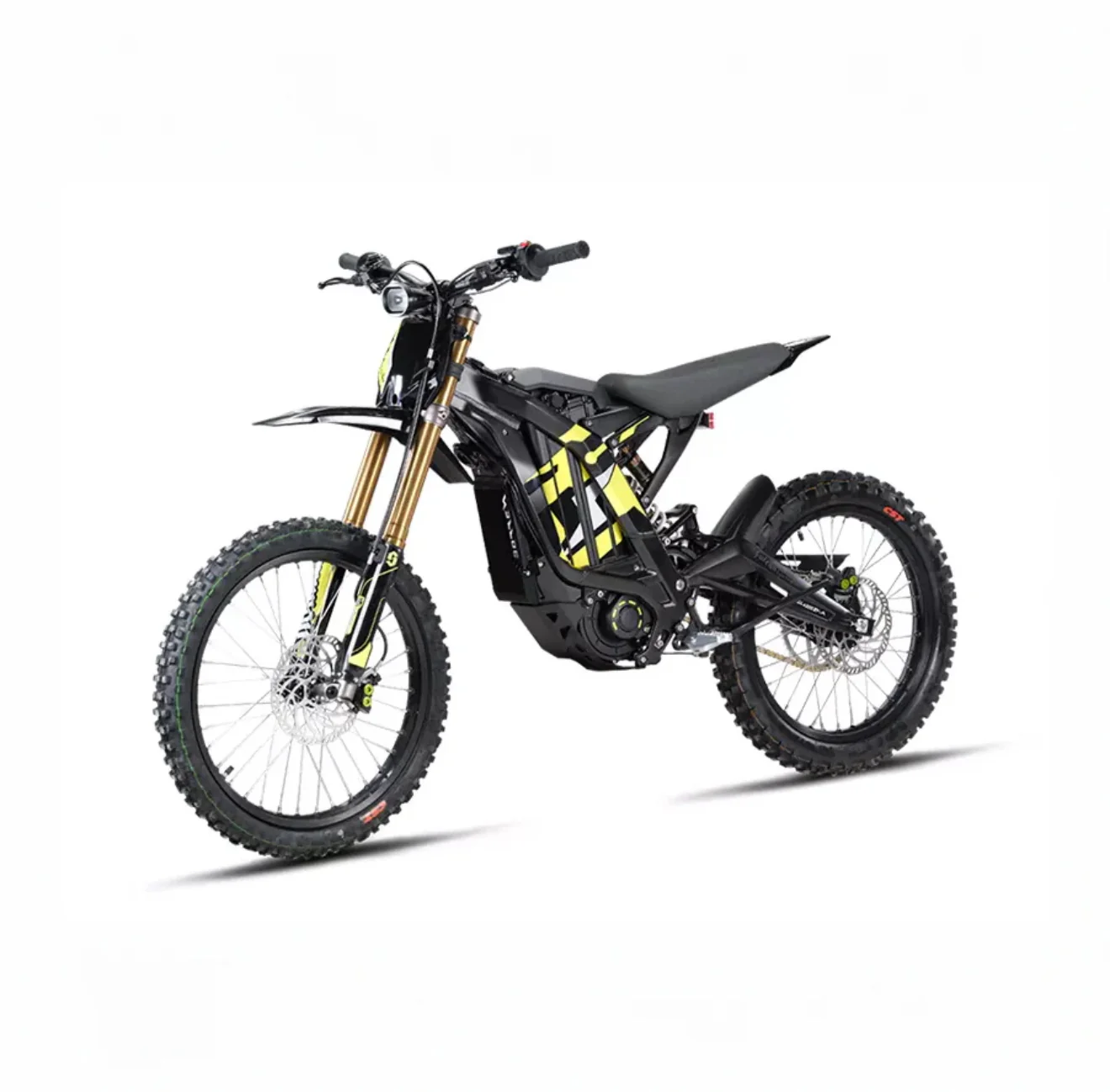
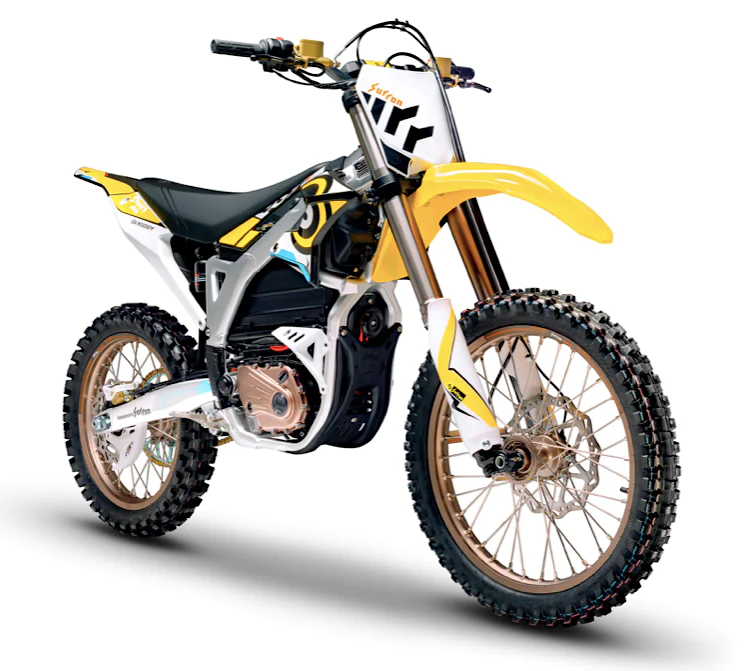
An electric dirt bike street legal status depends on how the law classifies it. Electric bicycles have their own rules, but most electric dirt bikes are not electric bicycles under those rules. Bikes like the Surron Light Bee X, Talaria Sting and E Ride Pro have no working pedals and motors far more powerful than e-bike limits allow. That means they fall into the motor vehicle category on public roads, where they must meet safety equipment standards and be titled, registered and insured. As sold for off-road use, they do not meet those requirements.
E-bike vs electric dirt bike: why the difference matters
Under federal consumer product law, a low-speed electric bicycle has fully operable pedals, an electric motor of less than 750 watts, and a top speed of less than 20 mph when powered solely by the motor. Many states use a three-class e-bike system: Class 1 and Class 2 bikes are limited to 20 mph, and Class 3 bikes to 28 mph with pedal assist. The U.S. Consumer Product Safety Commission oversees the federal definition.
An electric dirt bike with 6,000W to 25,000W of power, top speeds of 40 to 70 mph and no pedals is far outside these limits. Even bikes that have pedals, like the Stealth Bomber, are outside e-bike classes when their power and speed exceed the limits. So whether an electric dirt bike street legal status is possible depends on motor vehicle rules, not e-bike rules.
| Category | Typical limits | Street legal? |
|---|---|---|
| Class 1 / 2 e-bike | Pedals, under 750W, 20 mph | Yes, as a bicycle, where allowed |
| Class 3 e-bike | Pedals, under 750W, 28 mph assist | Yes, with restrictions |
| Electric dirt bike (off-road) | No pedals, high power, 40+ mph | No, as sold |
| Converted and registered e-moto | Meets state equipment rules | Yes, where state law allows |
| Factory road-legal electric motorcycle | Meets federal standards | Yes |
What makes an electric dirt bike street legal?
In states that allow off-road motorcycles to be converted for road use, the bike typically needs to meet state equipment requirements and be properly titled. Common requirements include:
Because requirements differ, the most reliable way to confirm what makes an electric dirt bike street legal in your area is to read your state DMV’s official guidance or call them directly.
- Headlight with high and low beam.
- Taillight and brake light.
- Turn signals (required in many states).
- At least one rear-view mirror.
- Horn.
- DOT-approved tires.
- License plate bracket and plate light.
- Speedometer and, in some states, an odometer.
- Proof of ownership, such as a manufacturer’s certificate of origin and a bill of sale.
- Inspection where your state requires it.
Some states will not title or register a vehicle that was originally sold as off-road only, no matter what equipment is added. Others have a defined conversion process. That is why the answer to whether an electric dirt bike street legal conversion is possible differs so much from state to state.
Do you need a license for an electric dirt bike?
For off-road riding on private land, most states do not require a driver’s license. Public land and trail systems may have their own rules, including age limits, safety certificates and OHV registration. For road riding, the picture changes completely. Once you make an electric dirt bike street legal, you generally need the same license as for any motorcycle, usually a motorcycle endorsement or learner’s permit. Some lower-powered vehicles may qualify as mopeds in certain states, but most electric dirt bikes exceed moped limits.
Can you ride an electric dirt bike on the road?
Only when the bike is legally registered for road use and you meet the licensing and insurance requirements. Riding an unregistered off-road electric dirt bike on public roads can lead to tickets, impoundment and liability problems if there is a crash. Many cities have increased enforcement against unregistered e-motos. If your goal is to ride on the street, plan how to make your electric dirt bike street legal before you buy, or choose a factory road-legal electric motorcycle.
If you are unsure whether your electric dirt bike street legal status is valid, assume it is not and keep it off public roads until you have written confirmation from your DMV.
Is a Surron street legal?
Surron bikes like the Light Bee X and Ultra Bee are sold in the U.S. for off-road use. Surron has offered road-legal versions of some models, such as the Storm Bee, in certain markets. In states that permit conversion, U.S. owners often use a Surron street conversion kit with lights, signals, mirrors and a horn, then apply for title and registration. Whether that makes a particular electric dirt bike street legal depends entirely on your state.
What about Talaria and E Ride Pro?
Talaria sells road-legal versions in some international markets, often limited to low speeds to meet moped rules, but U.S. models ship as off-road bikes limited to 20 mph. E Ride Pro has offered road-homologated versions in other markets too. In the U.S., the same conversion and registration rules apply as for Surron. For pavement riding where legal, the Talaria supermoto kit adds road-style wheels and tires.
Insurance
A road-registered electric dirt bike needs motorcycle insurance in most states. Even off-road, insurance is worth considering: many homeowner’s policies exclude off-road vehicles, and a powersports policy can cover theft, damage and liability. Ask your insurer before you ride.
Insurers may ask for photos of the conversion and the registration documents before quoting, so keep these together once your electric dirt bike street legal paperwork is complete.
Step-by-step: how to make an electric dirt bike street legal
Where your state allows it, the process usually looks something like this. Details vary, so treat it as an outline and confirm each step with your DMV.
- Check your state rules first. Confirm whether off-road motorcycles can be converted and registered, and what equipment is required.
- Gather ownership documents. Keep the manufacturer’s certificate of origin, bill of sale and any import paperwork.
- Install required equipment. Lights, signals, mirrors, horn, DOT tires and a plate mount, often via a conversion kit.
- Get an inspection if your state requires one.
- Apply for title and registration at your DMV with your paperwork and inspection results.
- Buy insurance that meets your state’s minimum requirements.
- Get the right license or endorsement for the vehicle class.
Following these steps carefully is the only reliable way to make an electric dirt bike street legal. Avoid services that promise registration in another state without proper process, as that can cause problems later.
Speed and power after conversion
Making an electric dirt bike street legal does not remove the need to ride responsibly. Light e-motos are small and less visible than cars, and their quick acceleration can surprise drivers. Wear high-visibility gear, ride defensively, and remember that road tires and pressures differ from trail setups. Some riders swap to supermoto wheels for pavement for better grip and braking.
Some riders also reduce power settings for road use, which makes the bike smoother in traffic and extends battery range on commutes.
Helmet laws
Helmet requirements vary by state and by rider age. Many states require helmets for all motorcycle riders; others only for younger riders. Whatever the law, a certified full-face helmet is strongly recommended both on and off the road.
Bright helmet colors and reflective details also improve visibility, which matters on the road where drivers may not expect a small, quiet electric bike.
Riding off-road legally
If your bike stays off-road, you still need to ride legally. Private land with the owner’s permission is the simplest option. Many states also have OHV parks and trail systems that allow electric motorcycles, sometimes with registration or trail permits. Check whether trails are open to electric motorcycles specifically, as some are limited to e-bikes or non-motorized use. National forests and BLM land have their own rules about motorized vehicles.
Joining a local riding club is a great way to find legal places to ride and to stay informed about access rules and trail openings in your area.
Young riders and road rules
For parents, it is important to know that an off-road electric dirt bike street legal conversion still requires a licensed rider of legal age for road use, usually at least 15 or 16 depending on the state. Kids on youth bikes like the Surron Hyper Bee should ride only on private land or designated off-road areas. Our guides to how old you have to be to ride a Surron and the best electric dirt bike for a 12 year old cover youth rules in more detail.
Common myths
- “It’s electric, so it’s an e-bike.” Power, speed and pedals decide the class, not the power source.
- “Adding lights makes it legal.” Equipment is only one part; title, registration, insurance and licensing also matter.
- “The 20 mph limiter makes it street legal.” A limiter alone does not change a bike’s legal classification.
- “Every state has the same rules.” State laws differ significantly.
Penalties for riding illegally
Riding an unregistered off-road bike on public roads can result in fines, impoundment of the bike and, in some places, criminal charges. If there is a crash, you may be personally liable for damages, and insurance may not cover you. These risks are why it is worth doing things properly if you want to make your electric dirt bike street legal.
Alternatives if you want road riding
If your state does not allow conversion, consider a factory road-legal electric motorcycle or a legal e-bike for road use, and keep your electric dirt bike for off-road riding. Some riders own both: a road-legal machine for commuting and an off-road e-moto for trails. Our team can help you understand the options.
How we can help
We cannot provide legal advice, but we can help you choose bikes and parts that fit your plans, explain what conversion kits include and point you toward your state’s official resources. Visit our Middletown, NY showroom or contact us online. For federal vehicle safety information, the National Highway Traffic Safety Administration is the official source.
Electric dirt bike street legal checklist
Before you try to make an electric dirt bike street legal, work through this checklist:
- Confirm your state allows off-road motorcycles to be converted and registered.
- Collect the certificate of origin and bill of sale.
- List the equipment your state requires and choose a complete conversion kit.
- Confirm your tires are DOT-approved or plan to replace them.
- Schedule any required inspection.
- Get insurance quotes for a road-registered motorcycle.
- Check what license or endorsement you need.
Working through these points in order saves time and money, and it shows quickly whether an electric dirt bike street legal conversion is realistic where you live.
Questions to ask your DMV
- Can an off-road motorcycle be titled and registered for road use in this state?
- What equipment is required, and is an inspection needed?
- What documents do I need to bring?
- Which license or endorsement applies to this vehicle?
- Are there any power or speed limits for this vehicle class?
Getting clear answers up front is the fastest way to find out whether an electric dirt bike street legal registration is possible for your bike. Rules change, so confirm requirements directly with your state rather than relying on forum posts or older articles. If you plan to move states, check the rules in your new state too, since a registration in one state does not guarantee approval in another.
Final thoughts
Electric dirt bikes are some of the most fun machines you can own, but most are built for trails, tracks and private land. If you want to ride on the road, research your state’s rules first, follow the proper conversion and registration process, get insured and licensed, and ride defensively. If your state does not allow conversion, enjoy your bike off-road and consider a separate road-legal vehicle for the street.
Whatever you decide, wear proper gear, respect other trail and road users, and ride within your limits. Doing things the right way protects you, your bike and the future of electric riding access for everyone.
Electric dirt bike street legal FAQ
Is an electric dirt bike street legal?
Most are sold for off-road use and are not street legal as sold. Some can be converted and registered where state law allows.
Can you ride an electric dirt bike on the road?
Only if it is legally titled, registered, insured and equipped for road use in your state, and you hold the right license.
Do you need a license for an electric dirt bike?
Not for off-road riding on private land in most places. For road use, you typically need a motorcycle license or endorsement.
Is a Surron street legal?
Not as sold in the U.S. Some owners convert and register them where state law allows.
Can I ride an electric dirt bike on the sidewalk?
No. Electric dirt bikes should not be ridden on sidewalks.
Ride legally and confidently
Explore the Surron street conversion kit and Talaria supermoto kit, browse our electric dirt bike shop, or visit our Middletown, NY showroom for advice.
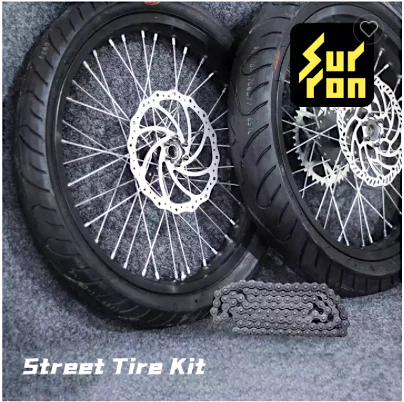
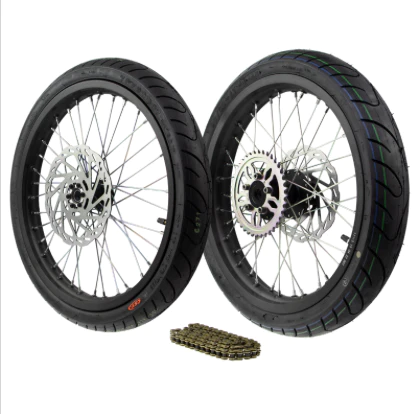
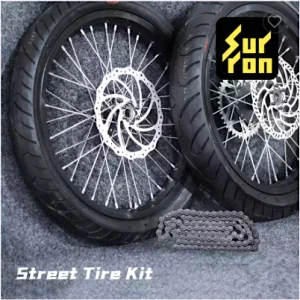 Surron Street Conversion Kit for Light Bee X – OEM 17 in Wheels Original price was: $700.00.$595.00Current price is: $595.00. View details
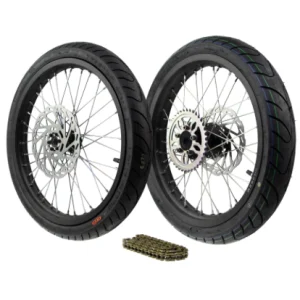 Talaria Supermoto Kit for MX4/MX3/X3 – OEM 17 in Road Wheel Set Original price was: $499.00.$424.15Current price is: $424.15. View details
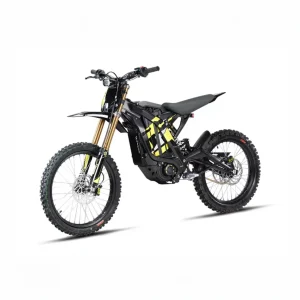 2025 Surron Light Bee X Original price was: $4,699.00.$3,524.25Current price is: $3,524.25. View details
