
Table of Contents
A Surron 72V battery is one of the most talked-about upgrades for the Light Bee X. Moving from the stock 60V system to 72V can add noticeable punch and top speed, and a larger pack can add range. But a Surron 72V battery is not a simple swap. This guide explains what changes, what else you may need, the safety and warranty questions to ask, and how to decide whether a Surron 72V battery is right for you.
Quick answer: a Surron 72V battery raises voltage from the stock 60V, which can increase power and top speed when paired with a compatible controller. Most 60V Light Bee X owners also need a 72V-capable controller and a matching 72V charger. For 2026, Surron also offers a North American Light Bee X with a factory 72V 35Ah battery.
What is a Surron 72V battery?
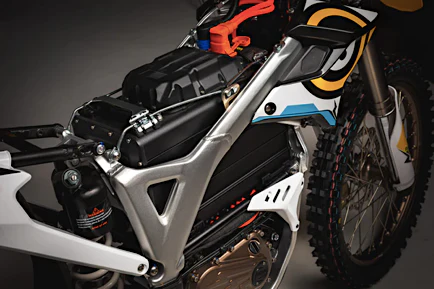
The battery voltage of an electric bike sets how hard the controller can push the motor. The stock Light Bee X runs a 60V nominal system. A Surron 72V battery is a pack built to a higher 72V nominal voltage. Some are aftermarket packs designed to fit the Light Bee X frame; others are factory batteries for newer models. Capacity, measured in amp-hours (Ah), sets how much energy the pack holds and therefore your range.
Voltage and capacity are different things. A Surron 72V battery with a small capacity can deliver more power but no more range than a large 60V pack. When comparing batteries, look at both numbers and the total watt-hours (volts multiplied by amp-hours).
The factory Surron 72V battery: 2026 Light Bee X
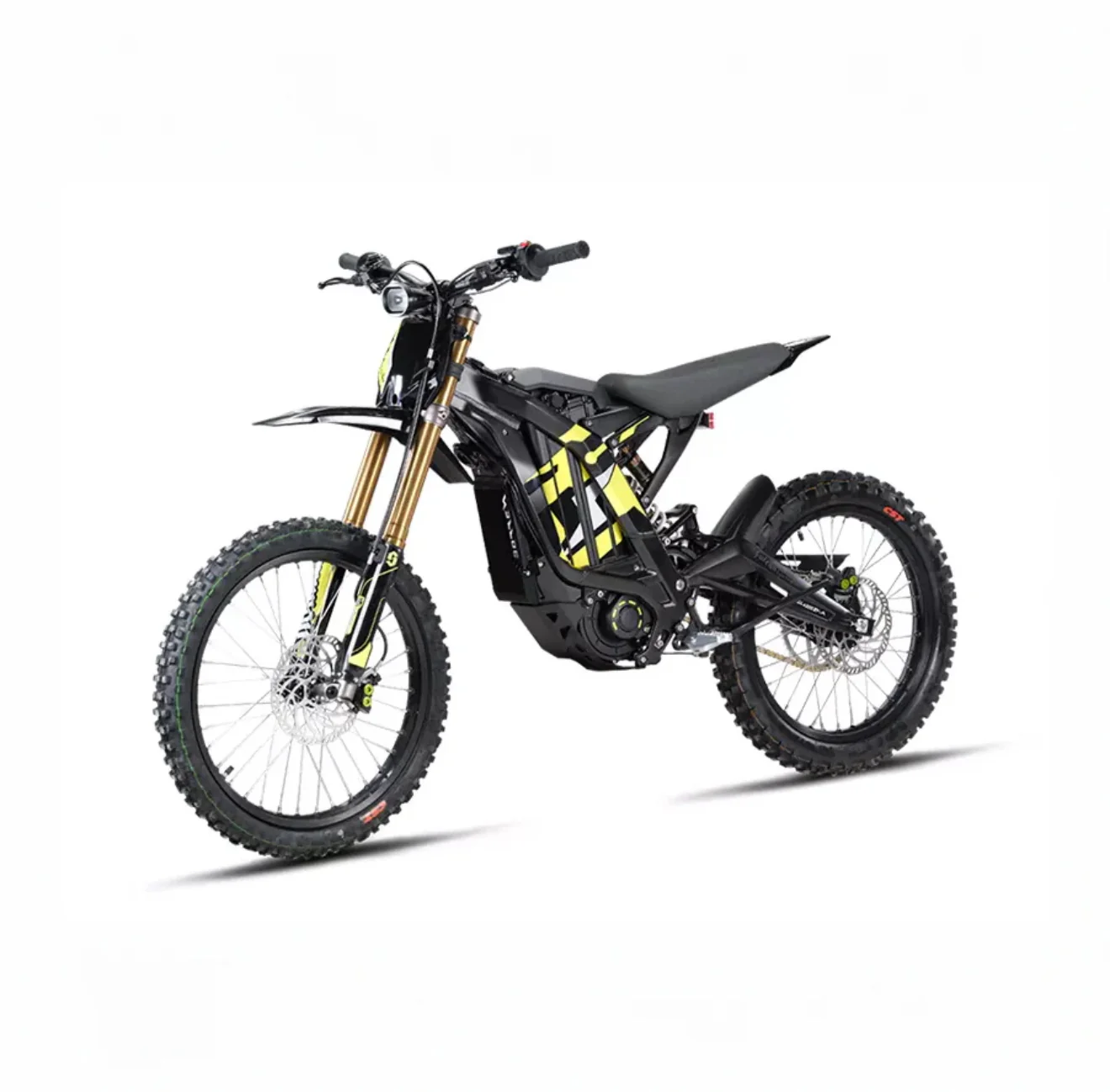
For 2026, Surron introduced a North American Light Bee X with a factory 72V 35Ah battery and up to 10 kW of peak power, rated at up to about 50 mph and about 130 lb. That gives riders a genuine Surron 72V battery with factory support, rather than an aftermarket conversion. If you are shopping new and want 72V performance, a factory 72V model is the simplest and safest route. Check our Light Bee X listing for the current model and specification we stock.
What a Surron 72V battery changes
| Area | Stock 60V Light Bee X | With a 72V setup |
|---|---|---|
| Peak power | About 8 kW (2025 60V) | Higher, depending on controller |
| Top speed | About 47 mph | Higher, typically low to mid 50s mph with matching controller |
| Acceleration | Strong | Stronger, especially mid-range |
| Range | Set by 40Ah pack | Depends on pack capacity and riding |
| Heat | Managed by stock settings | More heat in motor and controller |
| Weight | About 25.6 lb battery | Varies; large packs are heavier |
Exact results depend on the battery, controller, gearing and rider. Treat any specific speed claim from an aftermarket seller as a best case.
Do you need a new controller for a Surron 72V battery?
On most 60V Light Bee X bikes, yes. The stock controller is designed for 60V and may not accept 72V safely, or may not deliver extra power even if it does. Most riders who fit a Surron 72V battery pair it with an aftermarket 72V-capable controller. That controller is what actually unlocks the higher power. It also lets you tune throttle response, regenerative braking and power modes.
A higher-power controller and Surron 72V battery together put more stress on the motor, chain, sprockets and frame. Many riders upgrade the chain and sprockets at the same time and keep a close eye on motor temperature.
Chargers for a Surron 72V battery
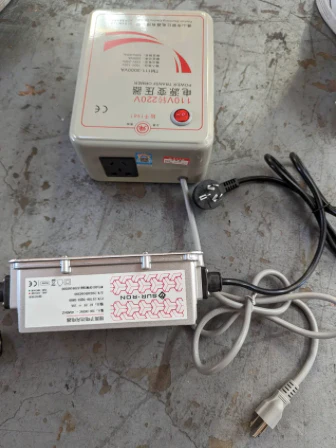
A Surron 72V battery needs a charger designed for its exact voltage and chemistry. Never charge a 72V pack with a 60V charger or the reverse. Using the wrong charger can damage the battery or create a fire risk. Buy the charger recommended by the battery maker, and check connector types before you order. For stock bikes, see our Light Bee X charger and Surron charger and transformer.
Is a Surron 72V battery upgrade safe?
It can be, if you choose quality parts and install them correctly. Problems usually come from cheap packs with low-grade cells, weak battery management systems or poor wiring. A good Surron 72V battery uses name-brand cells, a robust battery management system, a strong case that fits the frame properly, and quality connectors rated for the current involved.
- Buy from reputable brands with clear specifications and support.
- Ask which cells and battery management system the pack uses.
- Make sure the pack is designed for your exact model and year.
- Use the matching charger only.
- Have the installation done or checked by someone experienced with high-voltage systems.
- Charge on a non-flammable surface and never leave a charging battery unattended for long periods.
The U.S. Consumer Product Safety Commission publishes lithium battery safety guidance that applies to every e-moto owner.
Warranty and legal considerations
Fitting an aftermarket Surron 72V battery and controller may affect your manufacturer warranty on related parts. Read your warranty terms or ask your dealer before upgrading. Higher power can also change how a bike is classified. If you have converted your Surron for road use in a state that allows it, power and speed changes may affect registration and insurance. For off-road use on private land, the main considerations are safety and reliability.
Range: will a Surron 72V battery go further?
Only if it holds more energy. Range depends on watt-hours. For example, the stock 60V 40Ah pack holds about 2.4 kWh. A Surron 72V battery with similar amp-hours holds more, around 2.9 kWh at 40Ah. But if you use the extra power, you will drain it faster. Riders who fit a Surron 72V battery and ride harder often see similar or only slightly better range. Riders who keep the same riding style see more range. For more detail on range, read how long a Surron battery lasts.
Weight and handling
Large-capacity packs are heavier. Extra weight high up in the frame can make a light bike feel less agile. Before buying, compare the pack weight with the stock battery and consider suspension changes if the bike becomes noticeably heavier. Our Surron weight guide lists stock figures for comparison.
Is a Surron 72V battery right for you?
A Surron 72V battery makes the most sense for experienced riders who already use all of the stock bike’s performance, ride open terrain where higher speeds are useful, or want a stronger mid-range for climbing. It makes less sense for beginners, riders on tight trails where the stock bike is already plenty fast, or anyone who wants the simplest, warranty-friendly setup.
If you mainly want more power and range, also consider stepping up to the Surron Ultra Bee, which comes with a factory 74V 60Ah battery, a stronger chassis and factory support. For many riders, that is a better value than heavily modifying a Light Bee X.
Steps to plan a Surron 72V battery upgrade
- Decide your goal: more power, more range or both.
- Choose a quality Surron 72V battery that fits your model.
- Choose a compatible 72V controller and confirm wiring.
- Buy the matching charger.
- Plan chain, sprocket and brake upgrades for the extra power.
- Set up suspension for any extra weight.
- Test carefully in a safe area and monitor temperatures.
Caring for a Surron 72V battery
The same habits that protect a stock battery protect a Surron 72V battery. Let it cool before charging, avoid storing it full or empty, store it indoors at about half charge for long breaks, and inspect connectors regularly. High-voltage packs store more energy, so careful handling matters even more.
How to read battery specifications
Battery listings are full of numbers. Here is what they mean in plain terms:
Understanding these specifications helps you compare one Surron 72V battery against another on facts rather than marketing claims, and spot listings that leave out important details.
- Nominal voltage (V): the average operating voltage. A 72V pack is often around 84V fully charged and lower when nearly empty.
- Capacity (Ah): how much charge the pack holds. Higher Ah means more range at the same voltage.
- Energy (Wh or kWh): voltage multiplied by capacity. This is the best single number for comparing range.
- Continuous discharge (A): how much current the pack can safely deliver for long periods. It must match or exceed what your controller draws.
- Peak discharge (A): short bursts of current for acceleration.
- Cell type: most quality packs use 21700 cylindrical cells from major manufacturers.
- Configuration (for example 20S8P): how many cells are wired in series for voltage and in parallel for capacity.
A pack with a high discharge rating and quality cells stays cooler and holds its voltage better under hard acceleration, which is what you feel as consistent power.
Why cell quality matters so much
Two batteries with the same voltage and capacity can perform very differently. Quality cells from major manufacturers hold capacity longer, run cooler and have tight quality control. Low-grade or recycled cells may test fine when new but lose capacity quickly, sag badly under load or develop imbalances between cell groups. Because a battery is the most expensive part of an e-moto and the most important for safety, this is the wrong place to save money.
When you shop, ask sellers directly about cell origin and testing. Reputable brands publish this information openly because they are proud of it, while low-cost sellers often avoid the question entirely.
Motor and controller heat
More voltage and more current mean more heat. The Light Bee X motor is air-cooled, so long climbs, deep sand and sustained high speed can push temperatures up quickly with a high-power setup. Many aftermarket controllers let you monitor motor temperature and set limits. Use them. If the bike starts to reduce power on its own, stop and let it cool. Repeated overheating can damage motor magnets, windings and controller components.
Riding style matters too. Short bursts of full power followed by recovery are much easier on components than holding maximum power for long periods, especially in hot weather.
Gearing after the upgrade
Gearing lets you choose how the extra power is used. A smaller rear sprocket raises top speed and can improve efficiency at steady speeds, but softens acceleration. A larger rear sprocket boosts acceleration and climbing, which suits tight trails, at the cost of top speed. Many riders find that a modest gearing change after the upgrade gives the best mix for their terrain. Always check chain length and alignment after changing sprockets.
Brakes and suspension: keep up with the power
Faster bikes need better stopping. After a big power increase, check brake pads, consider performance pads or larger rotors, and bleed the brakes if the lever feels soft. Suspension also matters more at higher speeds. If the bike feels unsettled, have the fork and shock set up for your weight and riding. These supporting upgrades are as important as the battery itself.
Common mistakes with high-voltage upgrades
- Buying the cheapest pack available online.
- Using a charger that does not match the battery.
- Fitting a high-power controller without upgrading the chain and sprockets.
- Ignoring motor temperature on long climbs.
- Skipping brake upgrades.
- Assuming more voltage always means more range.
- Not checking how the upgrade affects warranty or registration.
Avoiding these mistakes protects both your bike and your investment, and it makes the extra performance far more enjoyable over the long run.
Maintenance after the upgrade
Check chain tension and wear more often, since the extra torque stretches chains faster. Inspect battery connectors and wiring for heat discoloration after the first few rides. Re-torque mounting bolts on the battery and controller. Keep an eye on brake pad wear. Most of all, pay attention to how the bike feels: new noises, smells or cut-outs are signs to stop and investigate.
Upgrade or buy a bigger bike?
When you add up a quality battery, controller, charger, drivetrain parts and brake upgrades, the total can approach the price difference between a Light Bee X and a larger factory bike. A factory bike also keeps its full warranty and is engineered as a complete system. Compare the cost of upgrading against models such as the Ultra Bee, E Ride Pro SS or Talaria MX5 Pro, which come with 72V or 74V systems from the factory.
Questions to ask before buying any battery
- Which cell brand and model does the pack use?
- What are the continuous and peak discharge ratings?
- Which battery management system is fitted, and what protections does it include?
- Is the pack designed for my exact model and model year?
- Which charger is required, and is it included?
- What warranty does the battery carry, and who handles claims in the U.S.?
- Does the seller have real reviews and a physical address?
A reputable seller will answer every one of these questions clearly. Vague answers are a warning sign.
Testing your bike after installation
Start in the lowest power mode in an open, safe area. Check that the throttle returns cleanly, the brakes cut power if your setup includes brake cut-offs, and the display reads battery voltage correctly. Increase power gradually over several rides. Watch motor and controller temperatures, listen for new noises and check the chain after each of the first few rides. Only use full power once you are confident everything is working as it should.
Keep notes on range, temperatures and any issues. These notes make it much easier for a technician to help if something goes wrong later, and they help you get the most out of your new setup.
The bottom line
More voltage can transform how a Light Bee X feels, but it works best as part of a planned, quality system rather than a single bolt-on part. Decide what you want from the bike, budget for the supporting upgrades, and buy from sellers who stand behind their products.
Surron 72V battery FAQ
Can I put a 72V battery on a Surron Light Bee X?
Yes, many owners do, but most 60V bikes also need a 72V-capable controller and a matching charger.
How fast is a Surron with a 72V battery?
It depends on the controller and gearing. With a matching controller, many riders report top speeds in the low to mid 50s mph, and more with heavier modifications.
Does Surron make a 72V battery?
Yes. For 2026, Surron offers a North American Light Bee X with a factory 72V 35Ah battery.
Will a Surron 72V battery void my warranty?
It may affect warranty coverage on related parts. Check your warranty terms or ask your dealer first.
Do I need a special charger?
Yes. Always use a charger designed for your specific 72V battery.
Is a 72V Surron good for beginners?
No. Beginners are better served by the stock bike in Eco mode.
Choose a Surron 72V battery carefully, match the rest of the system to it, and you can enjoy more performance without sacrificing reliability.
Upgrade the right way
Ask our team about battery, charger and controller options, browse Surron parts and accessories, or visit our Middletown, NY showroom.
 2025 Surron Light Bee X Original price was: $4,699.00.$3,524.25Current price is: $3,524.25. View details
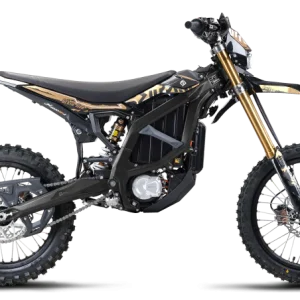 2025 Surron Ultra Bee Original price was: $6,499.00.$4,874.25Current price is: $4,874.25. View details
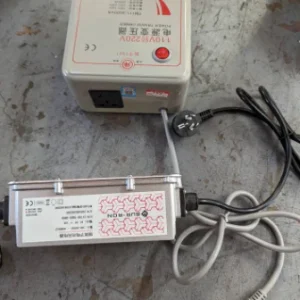 Surron Charger and Transformer – OEM 67.2V 10A Fast Charger Original price was: $320.00.$272.00Current price is: $272.00. View details
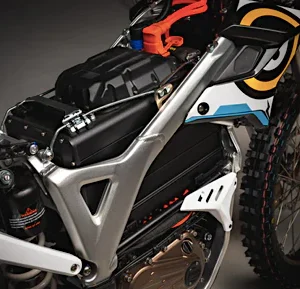 Surron Storm Bee Battery – OEM 104V 55Ah Lithium-Ion Original price was: $3,599.00.$3,059.15Current price is: $3,059.15. View details
